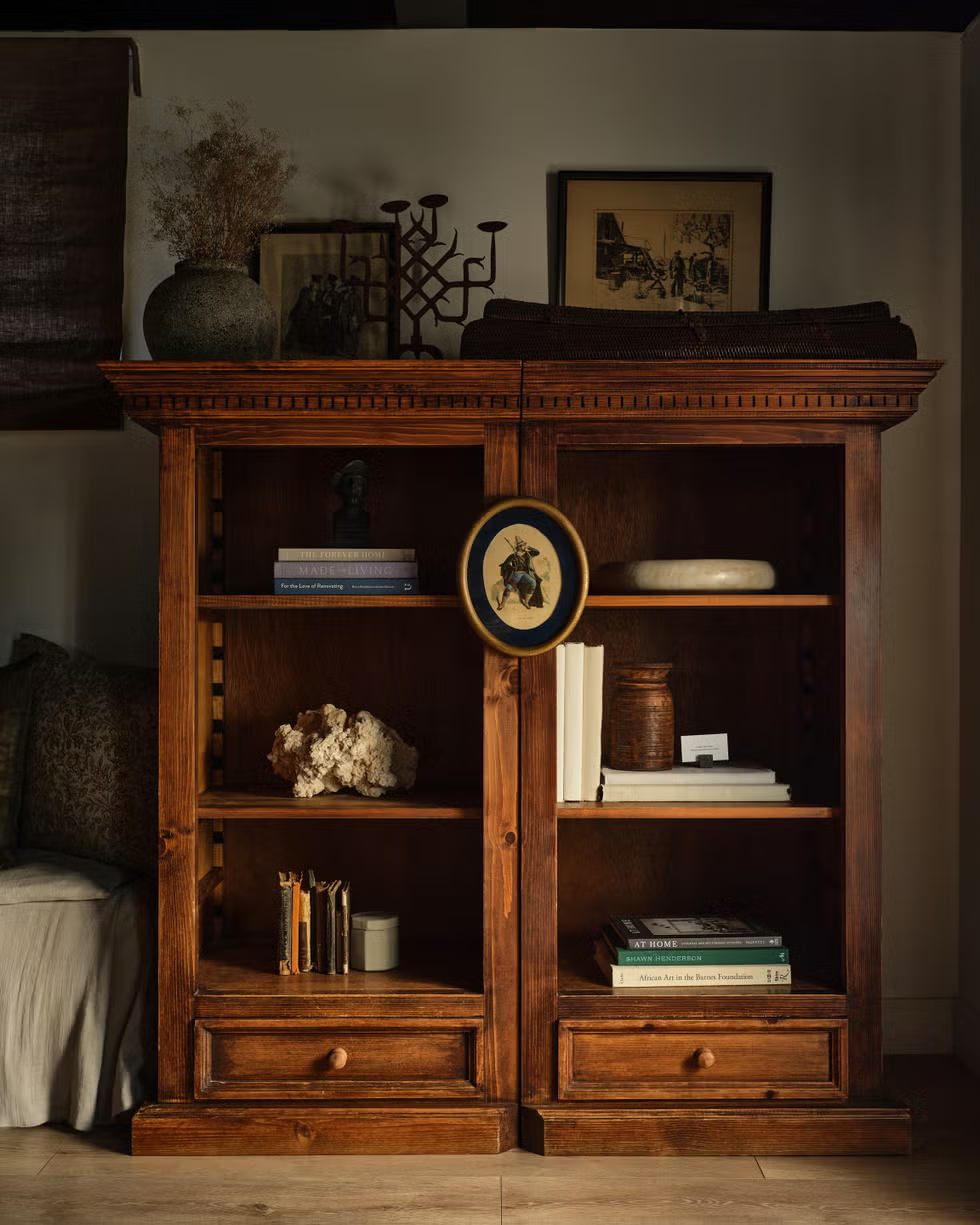
5 Living Room Furniture Trends That Will Define 2026
December 14, 2025

While we appreciate every space in a home, the living room holds a special place, often serving as the primary hub where friends and family gather to connect and relax. AURA interiors editors are consistently seeking the emerging trends and launches that redefine how these essential social spaces function.
Following the pandemic, design focus shifted, elevating the living room to the soul of the home. We’ve seen a move away from monolithic, bulky furniture toward intentional layouts that prioritize comfort and genuine connection. Overbearing sectionals are being replaced by more sculptural sofas upholstered in luxurious mohair and velvet. The color schemes have deepened into moody, rich hues like chocolate brown and burgundy, and the television is no longer the focal point.
Talking about Living room furniture trends 2026, designer Anu Jain of Atelier Oleana predicts the living room will become even more personal and curated. Jain notes, “The living room is evolving into a personal gallery expressive, emotionally resonant, and layered with artisanal pieces that invite you to sit, sip, and stay awhile, rather than collapse and scroll. It’s a shift from efficiency to enchantment, from convenience to composition.”
1. Art as the Starting Point
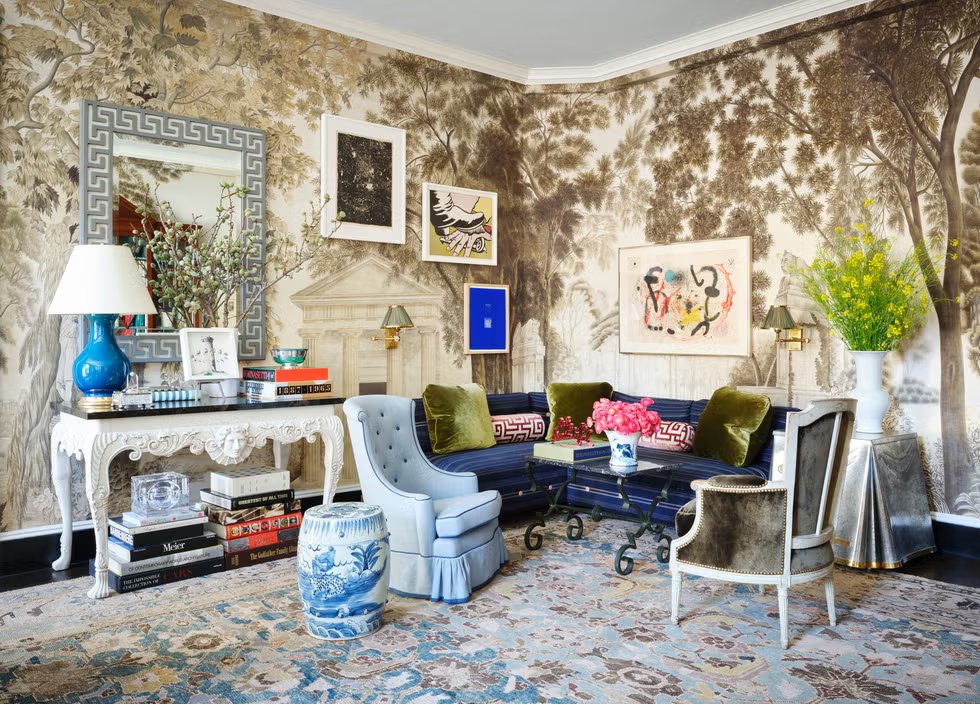
While design experts traditionally suggest beginning a room’s scheme with elements like color palettes, textiles, statement furniture, antiques, or rugs, designer Lara Apelian observes a rising trend: treasured artwork now serves as the main focal point and inspiration for living room design. Apelian explains that instead of treating art as a final touch, designing the entire room around a collection generates “a dynamic energy that we pair with furniture pieces, storage, color and texture.”
Although the art takes center stage, this trend does not advocate for a stoic gallery atmosphere. Instead, the colors present in the artwork should be echoed throughout the space via colorful textiles or lacquered furniture. Modern or abstract works can create a striking juxtaposition against traditional furniture silhouettes or historic pieces, while classic oil landscapes or portraiture can provide a timeless quality that grounds the overall design.
2. Embracing Sculptural Silhouettes
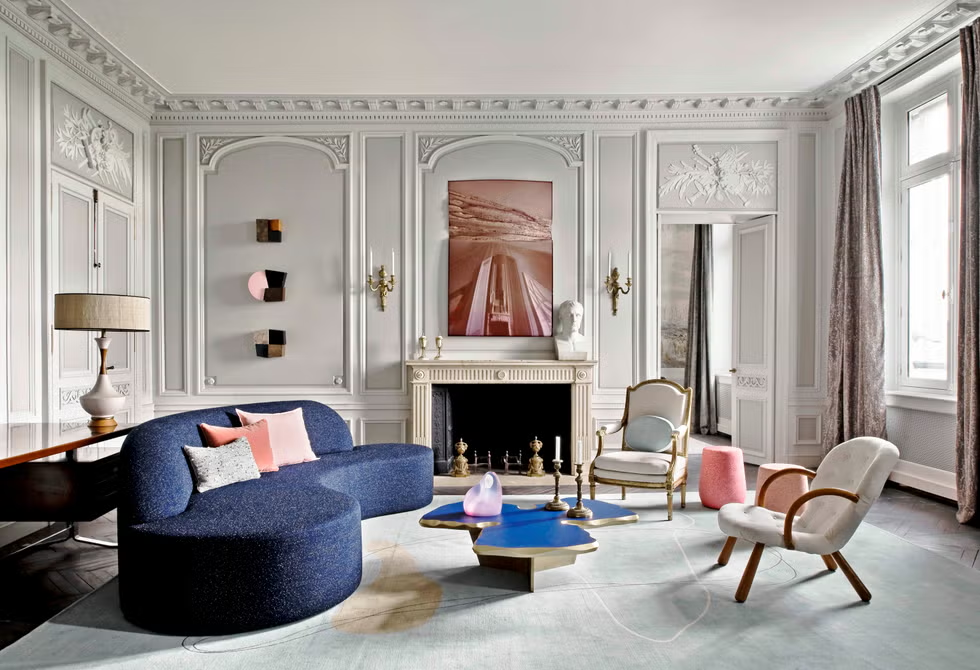
The curved sofa was a defining piece of 2025, and in 2026, those sculptural lines are extending across all categories, including chairs, lighting, and side tables. Designer Anu Jain points to a “quiet confidence” in these curvaceous forms, noting that they beautifully soften linear architectural elements and classically-lined furniture. This juxtaposition results in a living room that feels layered, organic, and effortlessly stylish across diverse décor aesthetics.
Adding to this trend, designer Regan Baker highlights the “resurgence of scallops” a whimsical shape seen on sofa backs and coffee table edges since 2025 which is set to grow even more popular. Baker suggests that this shape introduces a lightness and classic feel, especially when paired with dark wood furniture or pieces upholstered in heavier patterns.
3. Pattern Play
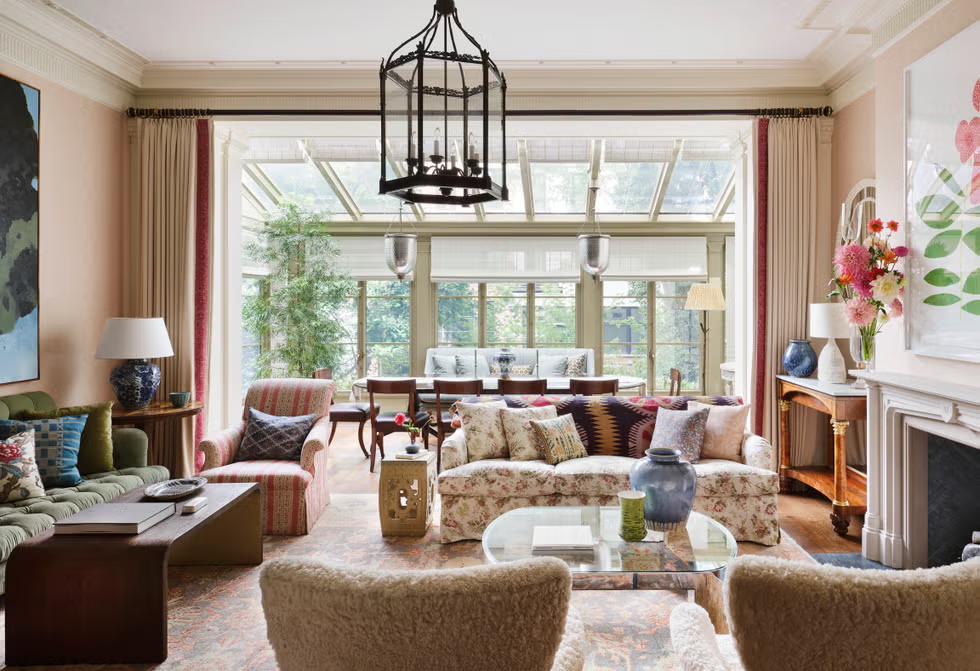
Homeowners are becoming increasingly comfortable with design experimentation, understanding that the reward of fearless exploration usually outweighs the risk. While this often manifests in bold color choices, designer Regan Baker predicts that pattern play will become a major focus in living rooms next year, with playful mixing of motifs across walls and upholstery.
Baker notes, “People are really wanting patterns and mural-like scenes in their living rooms,” adding that specific trends like “leafy motifs with complementary shades of green are also growing in interest,” while plaid remains a strong classic. Designer Anu Jain concurs, forecasting an increase in layered patterns. She notes that today’s popular tonal palettes will translate into textiles featuring patterns kept within the same color family. Jain also expects more artful textiles including subtle jacquards, micro-motifs, and dreamy ombrés to reign supreme as individuality takes center stage in design.
4. The New Neutrals: Layered and Complex Hues
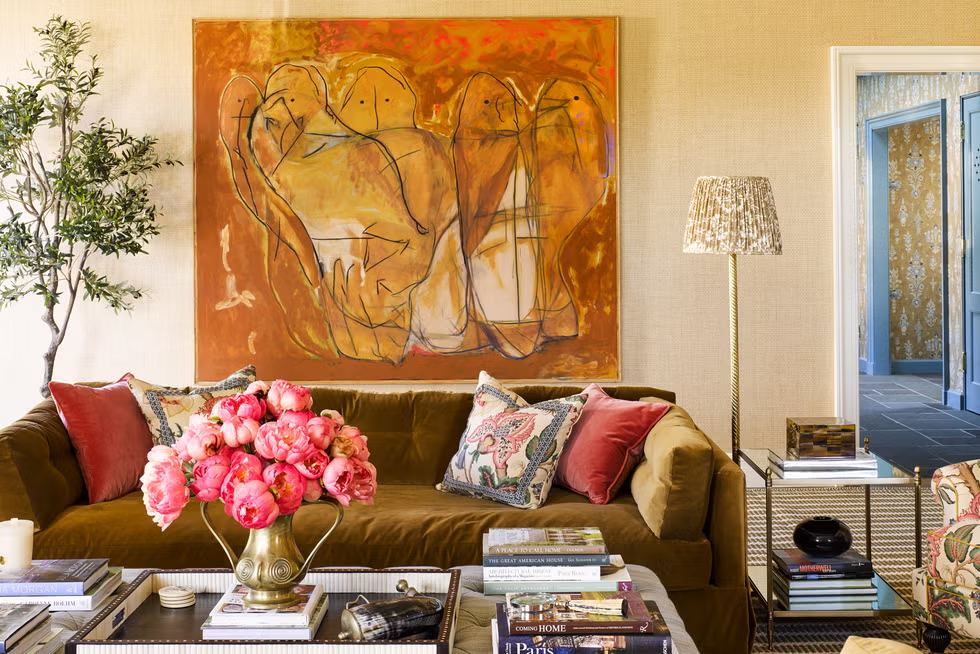
While the dominance of rich, moody brown palettes defined the current year, expect to see a more expansive range of these grounding hues flooding living rooms in the coming months. Homeowners remain deeply connected to nature-inspired palettes, but the focus is shifting to unexpected natural pigments like bone, smoke, clay, ochre, and terracotta, alongside deep mineral and gemstone colors such as jade, lapis, citrine, garnet, and malachite green.
Designer Anu Jain describes this as “a movement toward emotionally-charged neutrals: shades that feel ancient, yet modern.” She explains that when clients desire boldness, “it’s not primary it’s poetic. Think saffron silk, plum lacquer, or storm blue velvet.”
5. Case Goods with Movement